Dry Rot Remediation in Boulder, CO
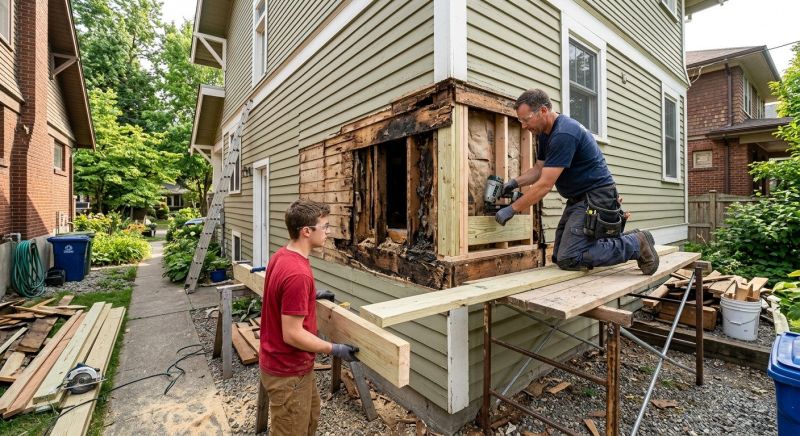
Dry rot remediation services address the removal and repair of wood affected by a type of fungal decay known as dry rot. This condition often develops in areas with excess moisture, such as basements, attics, or exterior wood structures, leading to weakened wood that can compromise the integrity of a property. Projects typically involve identifying the extent of the damage, removing affected wood, and implementing measures to prevent future moisture intrusion. Homeowners should understand the importance of early detection and proper moisture control to avoid more extensive repairs and maintain the safety and stability of their property.
Before requesting dry rot remediation, property owners usually want to know about the scope of the damage, the methods used for removal, and the steps taken to prevent recurrence. It’s helpful to assess whether the affected areas are limited or widespread, and to consider any underlying moisture issues that may need addressing. Clear communication about the process can ensure that homeowners are informed about what to expect during remediation, including any necessary repairs to structural components or adjustments to ventilation and drainage systems.
Many property owners in Boulder, CO look into Dry Rot Remediation for repairs, replacements, upgrades, and appearance-related improvements.
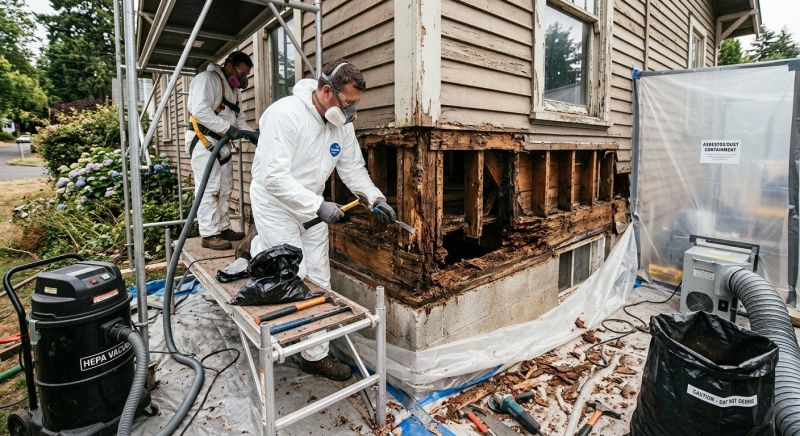
Identifying Dry Rot Damage
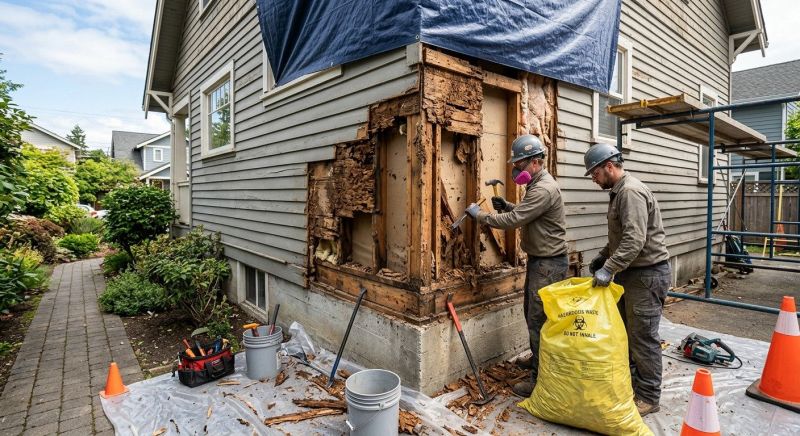
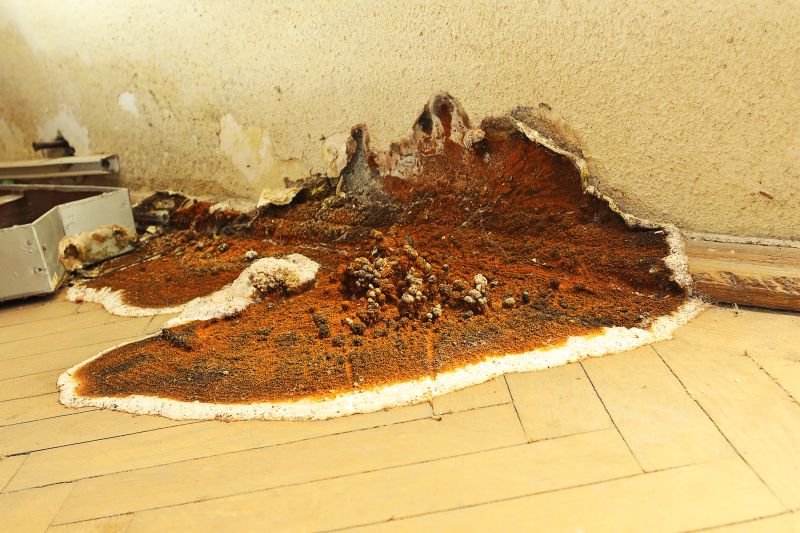
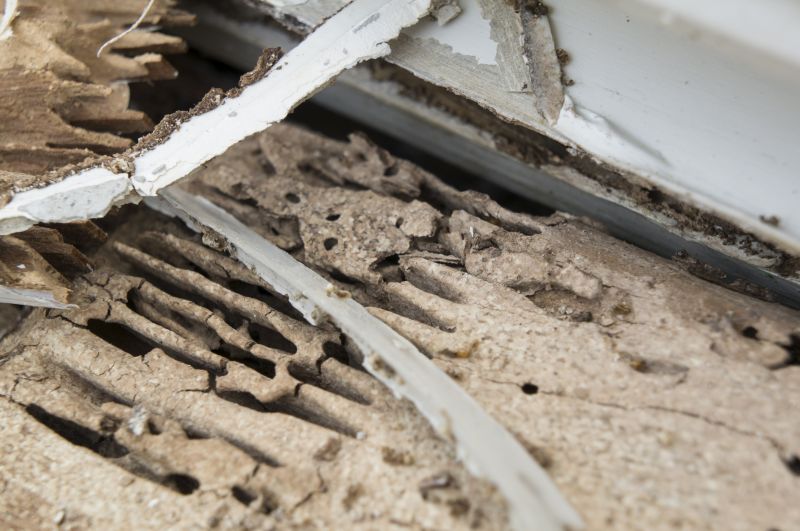
Dry rot often appears as decayed wood with a musty odor and can compromise structural integrity.
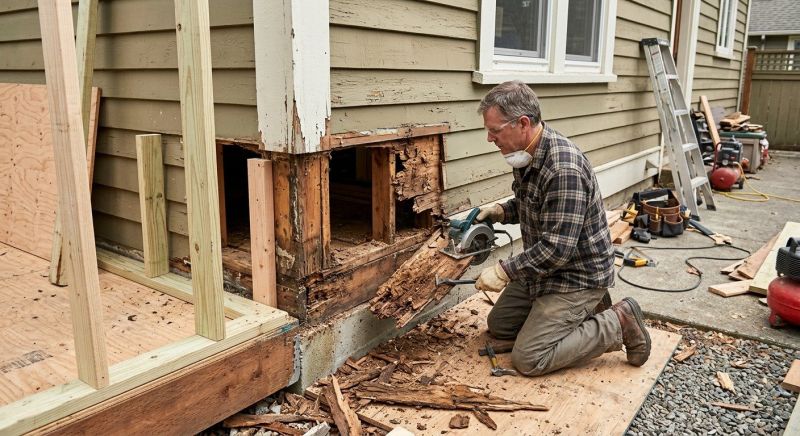
Preventative Maintenance Tips
Regular inspections and moisture control help prevent dry rot from developing in boulder homes.
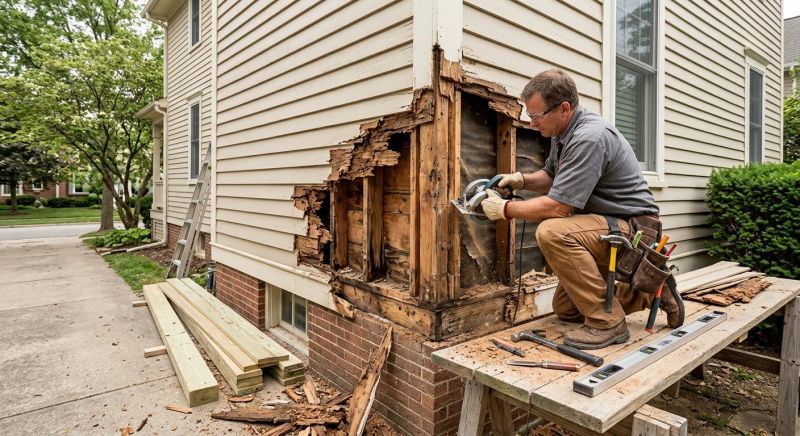
Remediation And Repair Solutions
Effective dry rot remediation involves removing affected materials and restoring the structural soundness of the property.
Dry Rot Remediation in Boulder, CO
Dry rot remediation services address the removal and repair of wood affected by a type of fungal decay known as dry rot. This condition often develops in areas with excess moisture, such as basements, attics, or exterior wood structures, leading to weakened wood that can compromise the integrity of a property. Projects typically involve identifying the extent of the damage, removing affected wood, and implementing measures to prevent future moisture intrusion. Homeowners should understand the importance of early detection and proper moisture control to avoid more extensive repairs and maintain the safety and stability of their property.
Before requesting dry rot remediation, property owners usually want to know about the scope of the damage, the methods used for removal, and the steps taken to prevent recurrence. It’s helpful to assess whether the affected areas are limited or widespread, and to consider any underlying moisture issues that may need addressing. Clear communication about the process can ensure that homeowners are informed about what to expect during remediation, including any necessary repairs to structural components or adjustments to ventilation and drainage systems.
Many property owners in Boulder, CO look into Dry Rot Remediation for repairs, replacements, upgrades, and appearance-related improvements.
Common Dry Rot Remediation Jobs
Dry Rot Remediation - addresses wood decay caused by moisture infiltration to protect structural integrity.
Structural Repair - involves removing and replacing compromised wood to prevent further damage.
Moisture Control - focuses on identifying and eliminating sources of excess moisture that promote dry rot.
Property Inspection - includes thorough assessments to detect dry rot and assess the extent of damage.
Preventive Treatments - applies solutions to inhibit future dry rot development and moisture problems.
Damage Restoration - restores affected areas to maintain safety and preserve property value.
Dry Rot Remediation Questions
What causes dry rot in buildings? Dry rot is caused by certain types of fungi that thrive in moist, poorly ventilated wood, leading to decay and structural damage.
How can dry rot be identified? Signs include spongy or crumbly wood, discoloration, and a musty odor in affected areas.
Is dry rot a safety concern? Yes, dry rot can weaken structural components, posing safety risks if left untreated.
What are common locations for dry rot? It often appears in areas with water exposure, such as basements, crawl spaces, and around leaky roofs or plumbing.
Request Dry Rot Remediation in Boulder, CO
Use the quote form on this page to share the basics of your project and request more information for the type of work you need.