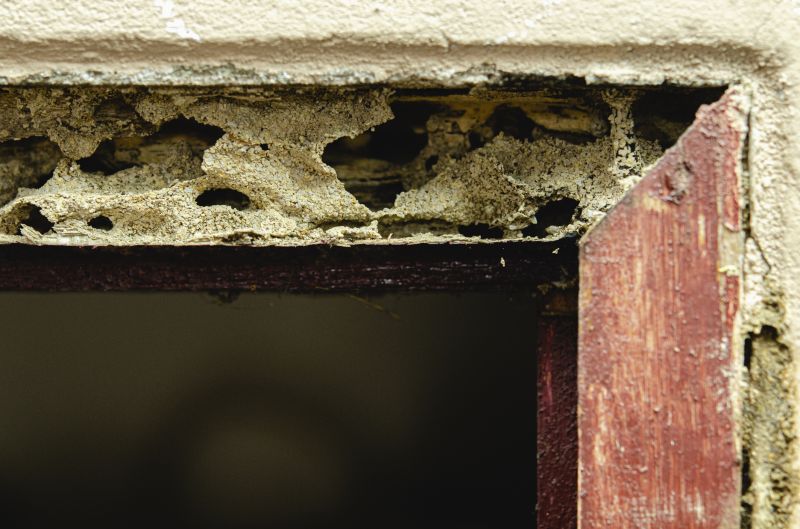
Dry Rot Remediation in Kansas City, MO
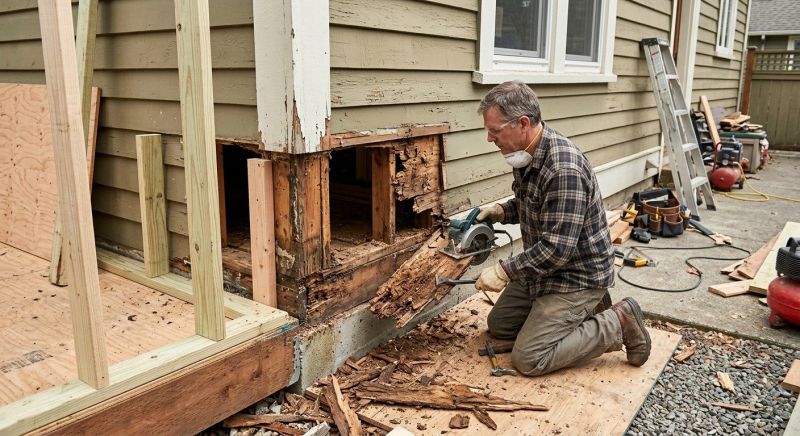
Dry rot remediation services address the removal and repair of wood affected by dry rot, a type of fungal decay that can compromise the structural integrity of a property. These services typically cover projects involving damaged beams, framing, flooring, or other wooden elements in residential buildings. Property owners often seek dry rot remediation after noticing signs such as musty odors, discoloration, crumbling wood, or visible fungal growth, especially in areas prone to moisture like basements, crawl spaces, or bathrooms. Before requesting remediation, it’s helpful to understand the extent of the damage and whether the source of moisture has been identified and addressed to prevent future issues.
The process usually involves assessing the affected areas, removing compromised wood, and implementing measures to eliminate the fungal growth. In many cases, repairs may include replacing damaged wood, sealing affected areas, and improving ventilation or moisture control to prevent recurrence. Property owners should inquire about the scope of work, the methods used to ensure complete removal of dry rot, and any necessary steps to restore the structural elements. Proper remediation can help maintain the safety and stability of a home while preventing further fungal damage.
Many property owners in Kansas City, MO look into Dry Rot Remediation for repairs, replacements, upgrades, and appearance-related improvements.
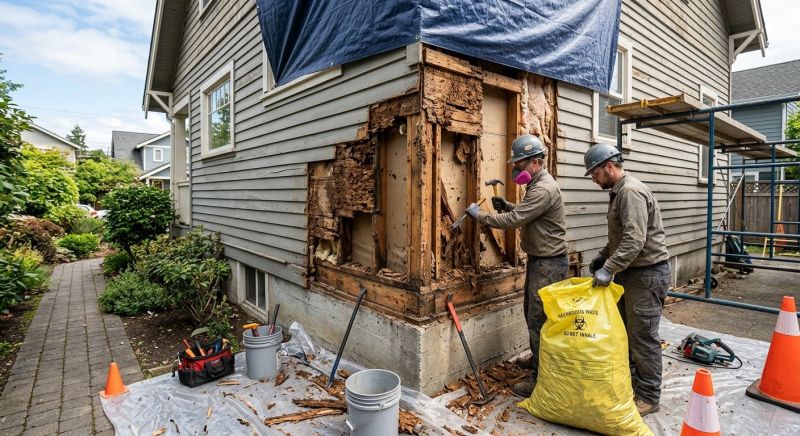
Understanding Dry Rot
Dry rot is a type of wood decay caused by fungal growth that can weaken structural components.
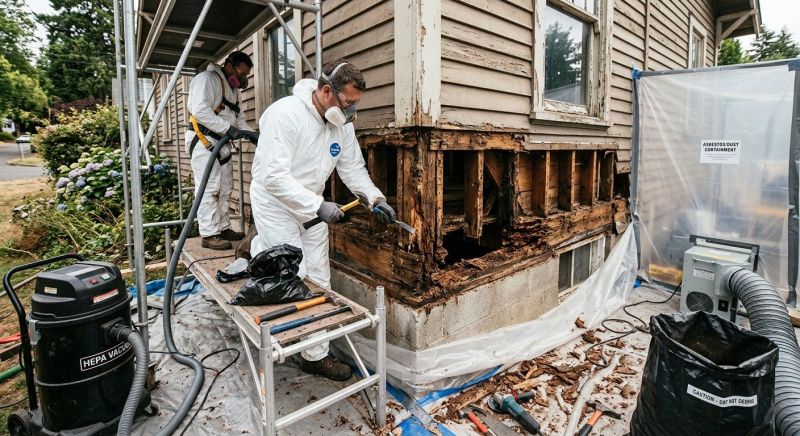
Signs Of Dry Rot Damage
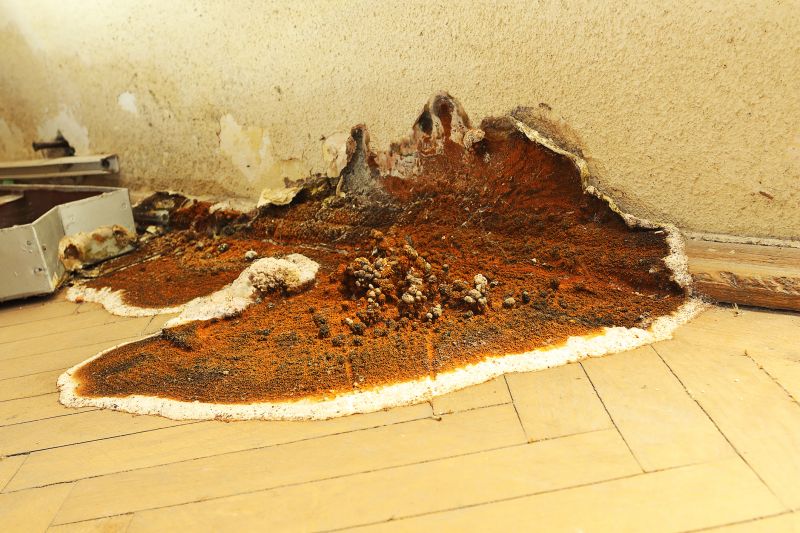
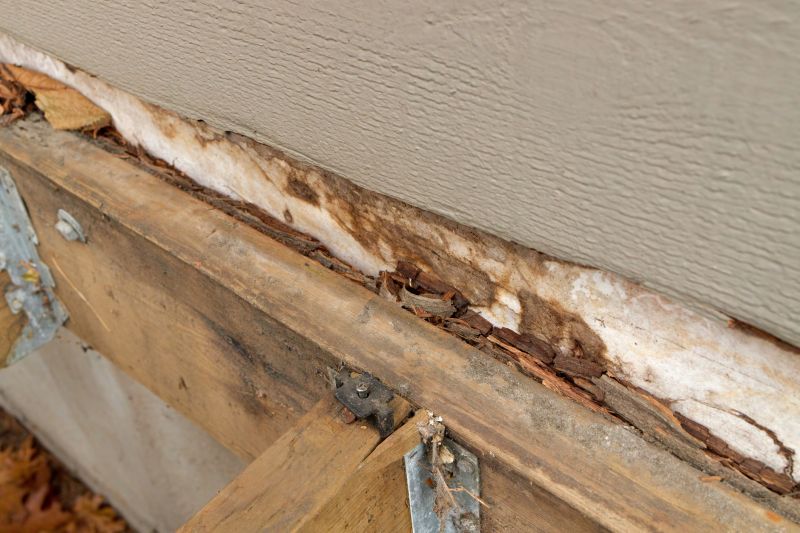
Visible signs include crumbling wood, discoloration, and a musty odor in affected areas.
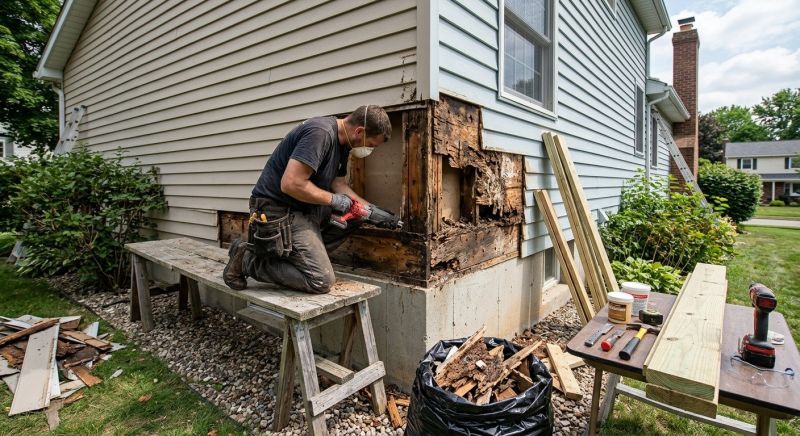
Remediation Strategies
Effective dry rot removal involves identifying affected wood and implementing proper treatment and replacement methods.
Dry Rot Remediation in Kansas City, MO

Dry rot remediation services address the removal and repair of wood affected by dry rot, a type of fungal decay that can compromise the structural integrity of a property. These services typically cover projects involving damaged beams, framing, flooring, or other wooden elements in residential buildings. Property owners often seek dry rot remediation after noticing signs such as musty odors, discoloration, crumbling wood, or visible fungal growth, especially in areas prone to moisture like basements, crawl spaces, or bathrooms. Before requesting remediation, it’s helpful to understand the extent of the damage and whether the source of moisture has been identified and addressed to prevent future issues.
The process usually involves assessing the affected areas, removing compromised wood, and implementing measures to eliminate the fungal growth. In many cases, repairs may include replacing damaged wood, sealing affected areas, and improving ventilation or moisture control to prevent recurrence. Property owners should inquire about the scope of work, the methods used to ensure complete removal of dry rot, and any necessary steps to restore the structural elements. Proper remediation can help maintain the safety and stability of a home while preventing further fungal damage.
Many property owners in Kansas City, MO look into Dry Rot Remediation for repairs, replacements, upgrades, and appearance-related improvements.
Common Dry Rot Remediation Jobs
Dry Rot Repair - involves removing affected wood and replacing it to restore structural integrity.
Wood Restoration - focuses on treating and repairing decayed wood caused by dry rot.
Structural Reinforcement - ensures load-bearing elements are stabilized after dry rot removal.
Moisture Control - addresses underlying moisture issues to prevent future dry rot development.
Inspections and Assessments - identify areas at risk and determine the extent of dry rot damage.
Preventative Treatments - apply protective measures to inhibit dry rot growth in vulnerable areas.
Dry Rot Remediation Questions
What is dry rot? Dry rot is a type of wood decay caused by fungi that can weaken structural elements in a building.
How does dry rot develop? It develops when moisture levels in wood are high and conditions allow fungi to grow, often due to leaks or poor ventilation.
What are signs of dry rot? Signs include spongy or crumbling wood, visible fungal growth, and a musty odor in affected areas.
Why is remediation important? Removing dry rot helps prevent structural damage and preserves the safety and stability of the property.
Request Dry Rot Remediation in Kansas City, MO
Use the quote form on this page to share the basics of your project and request more information for the type of work you need.