Dry Rot Remediation in Longmont, CO
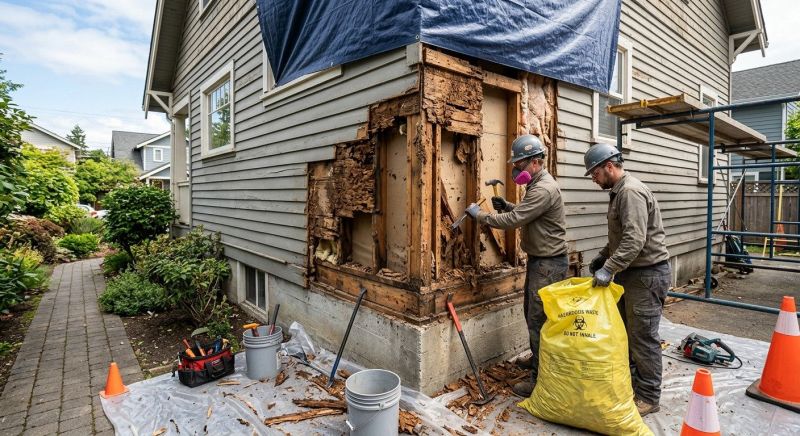
Dry rot remediation services focus on identifying and eliminating wood decay caused by certain fungi that thrive in damp, poorly ventilated areas. These services typically cover projects such as repairing or replacing affected framing, beams, joists, and other structural wood components in residential properties. Homeowners often seek this service when noticing signs of wood deterioration, such as crumbling wood, musty odors, or visible fungal growth, especially in basements, crawl spaces, or areas with ongoing moisture issues. Before requesting remediation, property owners usually want to understand the extent of the damage, the underlying causes of moisture intrusion, and the necessary steps to restore structural integrity.
Effective dry rot remediation involves removing affected wood and treating the surrounding areas to prevent future growth. It is important for homeowners to consider whether moisture sources, such as leaks or poor drainage, are being addressed to avoid recurring problems. Clear communication about the scope of work, including inspection, removal, treatment, and repairs, helps ensure that property owners are prepared for the process and understand the importance of addressing underlying moisture issues to maintain a safe, stable structure.
Many property owners in Longmont, CO look into Dry Rot Remediation for repairs, replacements, upgrades, and appearance-related improvements.
Identifying Dry Rot Damage
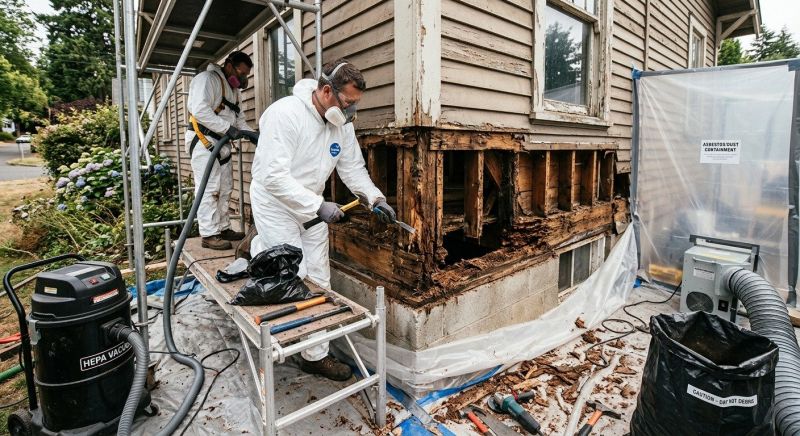
Early signs of dry rot include spongy wood and musty odors in structures around longmont homes.
Dry Rot Prevention Tips
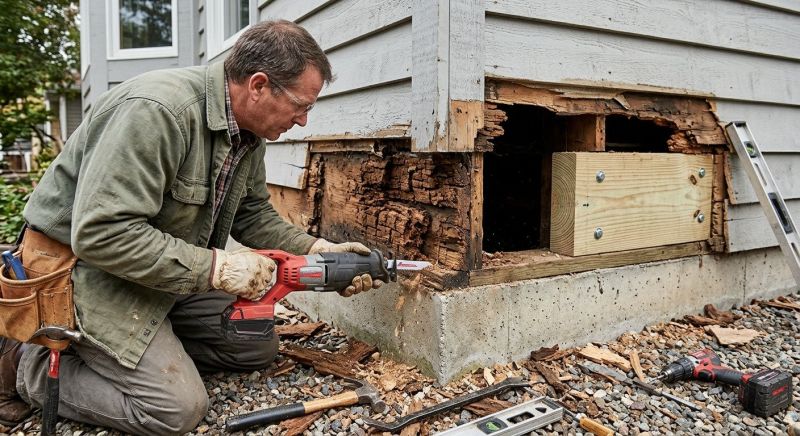
Proper ventilation and controlling moisture levels help reduce the risk of dry rot developing in your property.
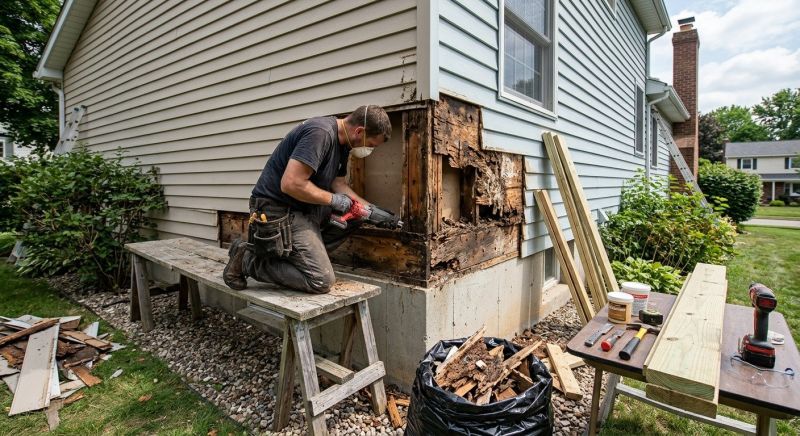
Remediation And Repair Solutions
Effective dry rot remediation involves removing affected materials and restoring the structural integrity of the building.
Dry Rot Remediation in Longmont, CO

Dry rot remediation services focus on identifying and eliminating wood decay caused by certain fungi that thrive in damp, poorly ventilated areas. These services typically cover projects such as repairing or replacing affected framing, beams, joists, and other structural wood components in residential properties. Homeowners often seek this service when noticing signs of wood deterioration, such as crumbling wood, musty odors, or visible fungal growth, especially in basements, crawl spaces, or areas with ongoing moisture issues. Before requesting remediation, property owners usually want to understand the extent of the damage, the underlying causes of moisture intrusion, and the necessary steps to restore structural integrity.
Effective dry rot remediation involves removing affected wood and treating the surrounding areas to prevent future growth. It is important for homeowners to consider whether moisture sources, such as leaks or poor drainage, are being addressed to avoid recurring problems. Clear communication about the scope of work, including inspection, removal, treatment, and repairs, helps ensure that property owners are prepared for the process and understand the importance of addressing underlying moisture issues to maintain a safe, stable structure.
Many property owners in Longmont, CO look into Dry Rot Remediation for repairs, replacements, upgrades, and appearance-related improvements.
Common Dry Rot Remediation Jobs
Dry Rot Repairs - involves removing damaged wood and replacing it to restore structural integrity.
Structural Dry Rot Removal - targets compromised framing, beams, and support structures affected by decay.
Wood Treatment Services - applies treatments to prevent future dry rot growth and protect existing wood.
Moisture Control Solutions - addresses underlying moisture issues to stop dry rot from recurring.
Inspection and Assessment - identifies the extent of dry rot damage and necessary remediation steps.
Preventative Maintenance - includes sealing and ventilation improvements to reduce moisture build-up.
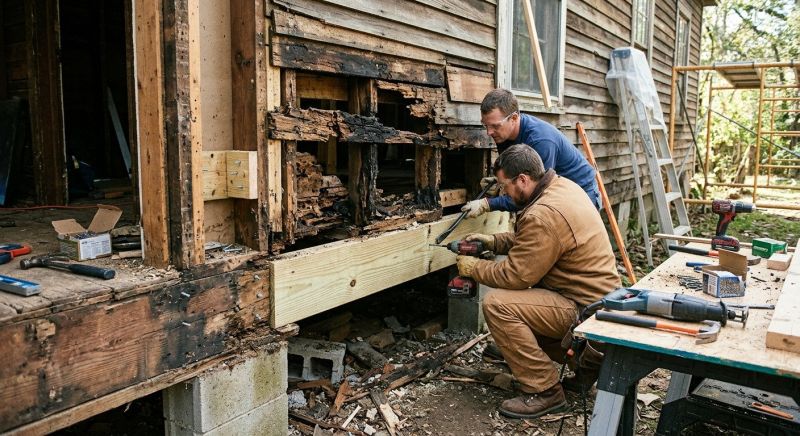
Dry Rot Remediation Questions
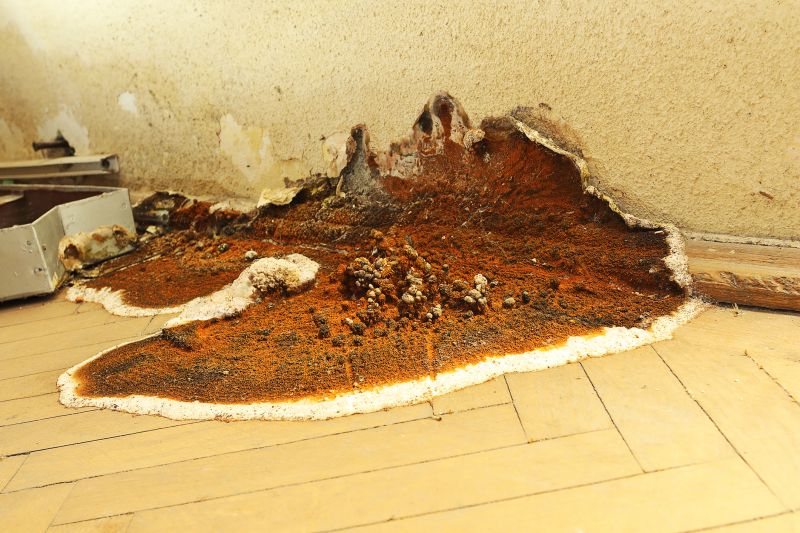
What is dry rot? Dry rot is a type of fungal decay that damages wood, causing it to weaken and crumble over time.
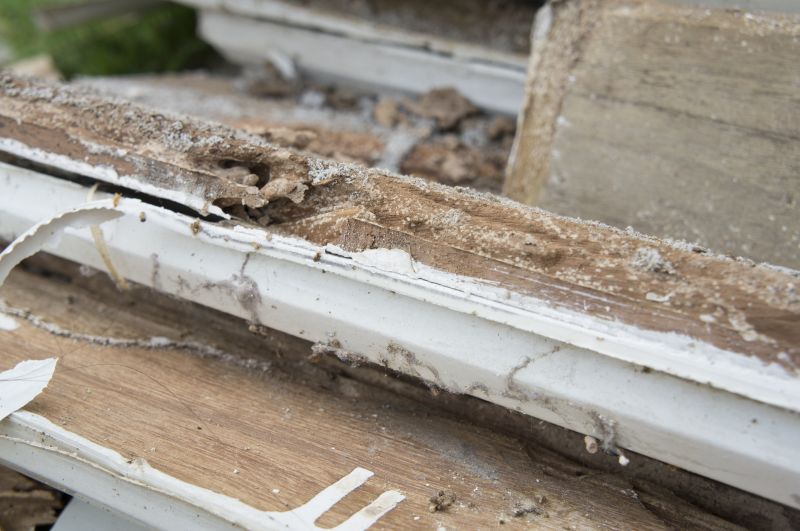
How can dry rot be identified? Signs include wood that appears cracked, spongy, or has a musty odor, often accompanied by visible fungal growth.
What causes dry rot to develop? Excess moisture in wood and poor ventilation are common factors that promote dry rot growth.
Why is early remediation important? Addressing dry rot early prevents further structural damage and reduces repair costs in the long run.
Request Dry Rot Remediation in Longmont, CO
Use the quote form on this page to share the basics of your project and request more information for the type of work you need.